
RESEARCH
Our research reveals how ecosystems respond to climate change, providing the knowledge needed to protect biodiversity, sustain vital landscapes, and support a healthier planet for all.
Functional diversity of grasses and grasslands
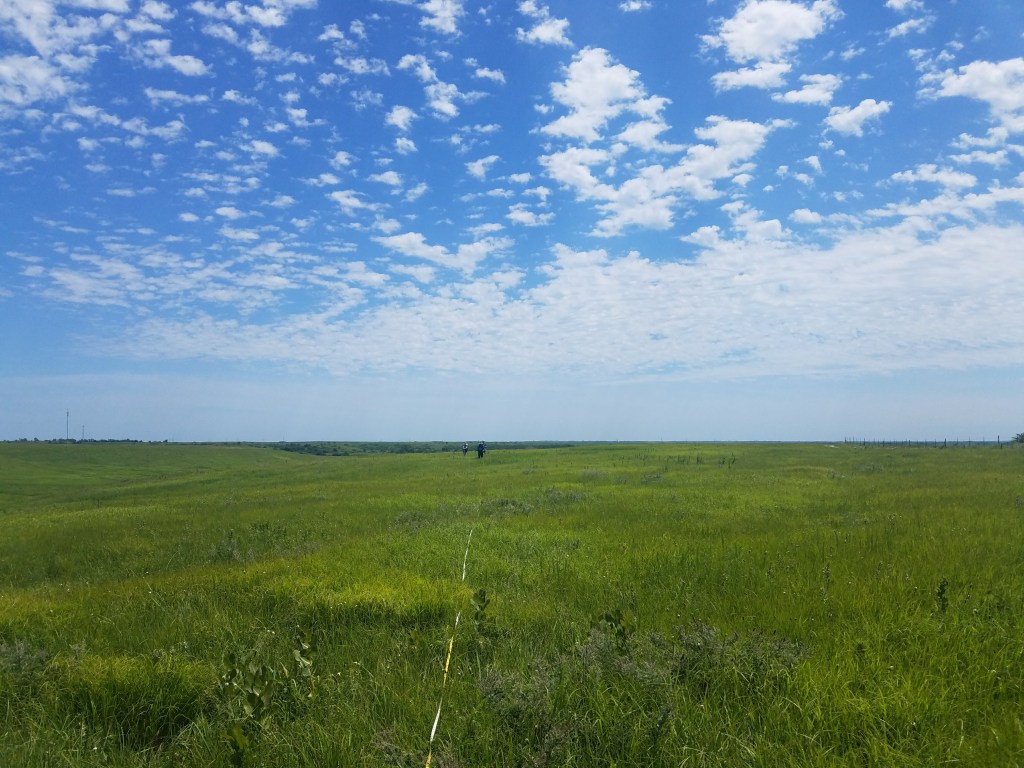
Grassy habitats (e.g., grasslands and savannas) account for ~40% of the global land surface and ~30% of terrestrial productivity. Three evolutionary lineages of grasses (Andropogoneae, Chloridoideae, and Pooideae) dominate grassy systems globally. Can these lineages help us better understand plant traits and ecological function in grasslands?
As part of a collaborative NSF-funded project we have collected a large suite of grass functional traits and hyperspectral reflectance across the Great Plains at select NEON and LTER sites to answer questions about grass trait coordination, how hyperspectral measurements can help us scale from leaves to landscapes, and how grassy biomes will respond to climate change.
Funding: National Science Foundation (#1926108) Macrosystems Biology
Rangeland conservation
and management
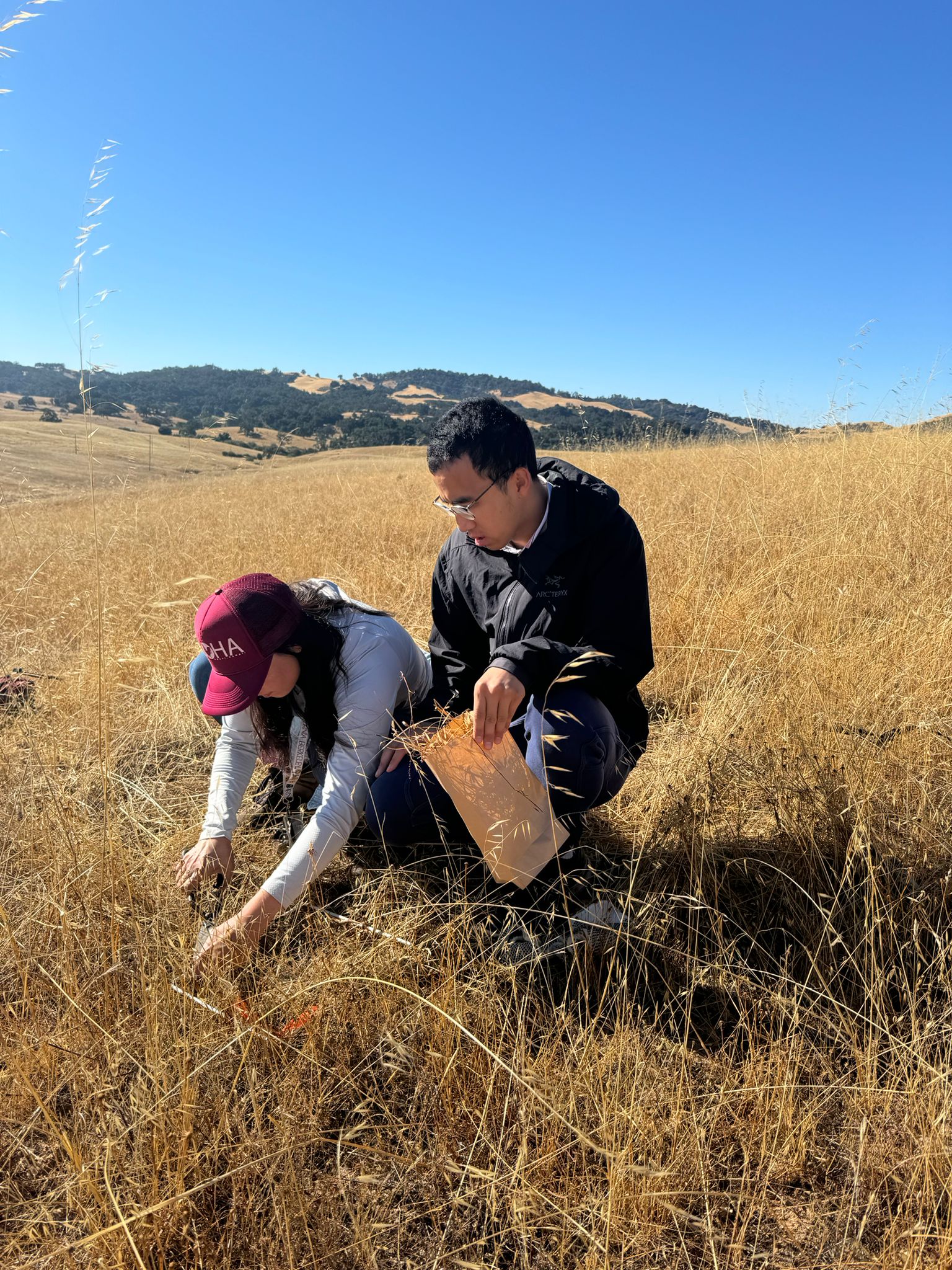
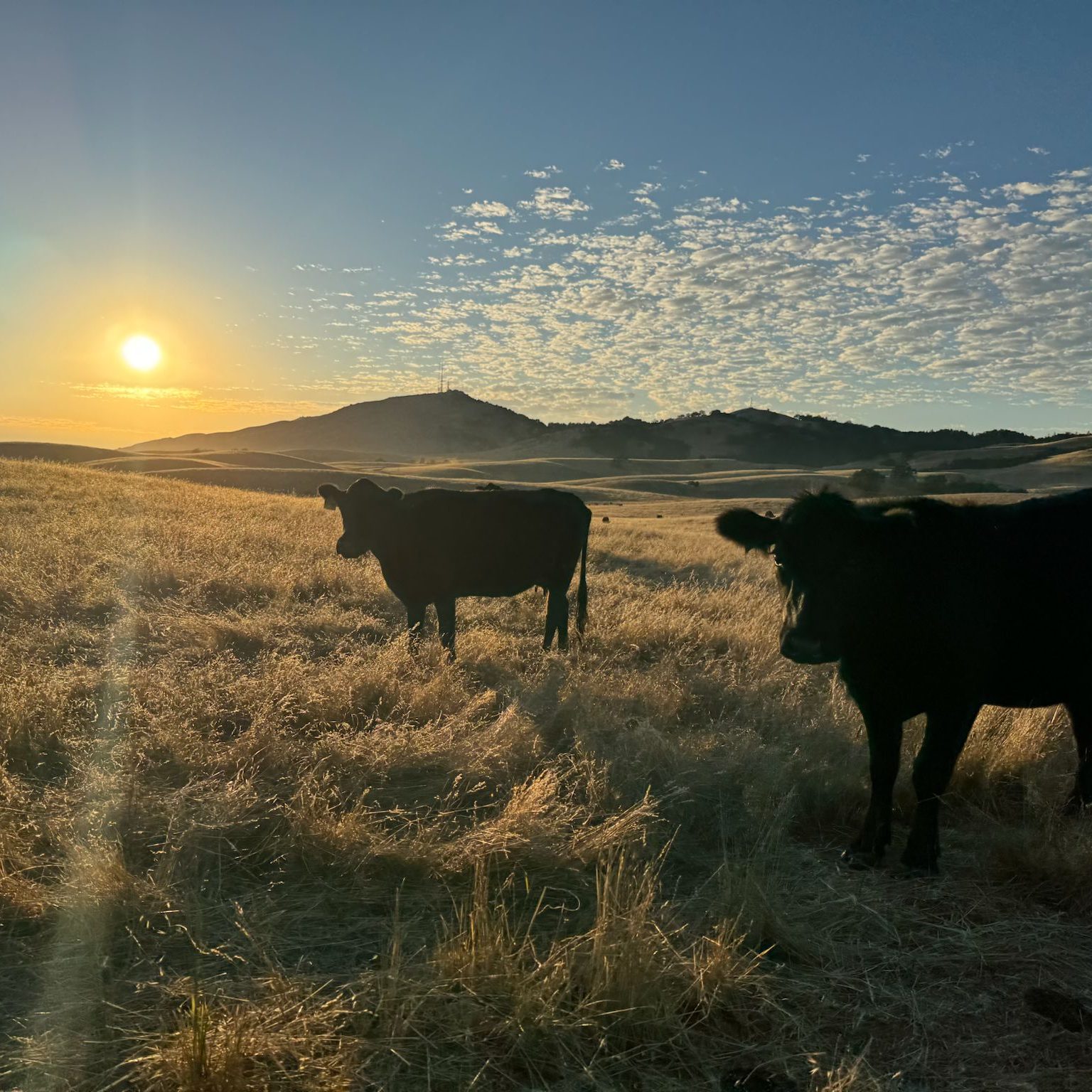
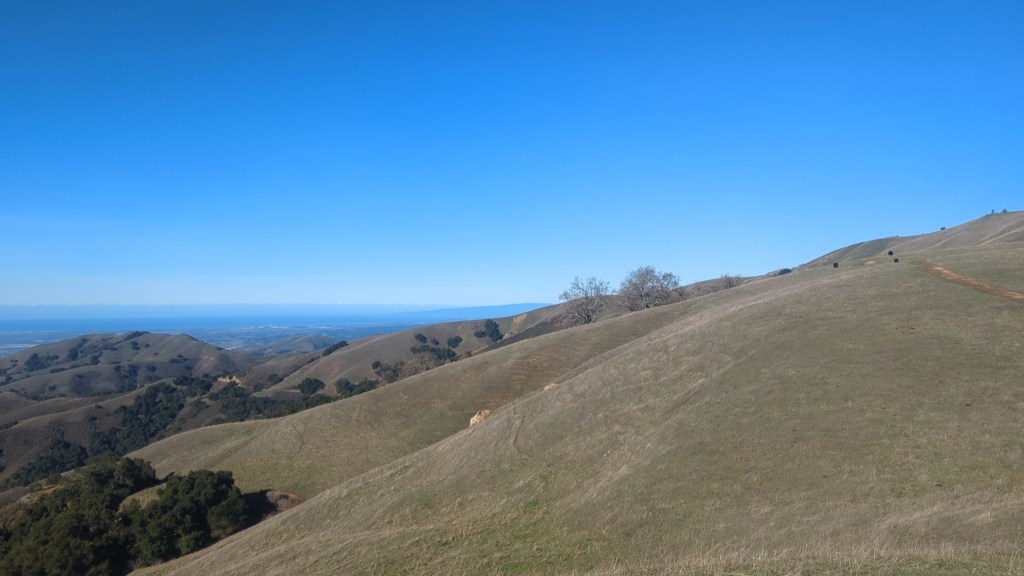
Rangelands cover approximately 50% of the state of California. In addition to providing forage for livestock, they provide habitat for biodiversity and store a considerable amount of carbon. New work at Gabilan Ranch, a working cattle ranch and a conservation easement with The Nature Conservancy, will investigate the relationship between differences in grazing intensity and vegetation composition, such as the proportion of native compared to non-native grasses.
Monitoring at this site over the past seven years shows that native perennial grass cover and carbon stocks are increasing in some locations across the site. It is unclear if these changes are related to management practices, and how management should shift to plan for future climate change. Satellite monitoring with ground-based measurements will provide insight into how management currently affects vegetation and help us predict changes in the future.
Tropical forest canopy dynamics and leaf cycles
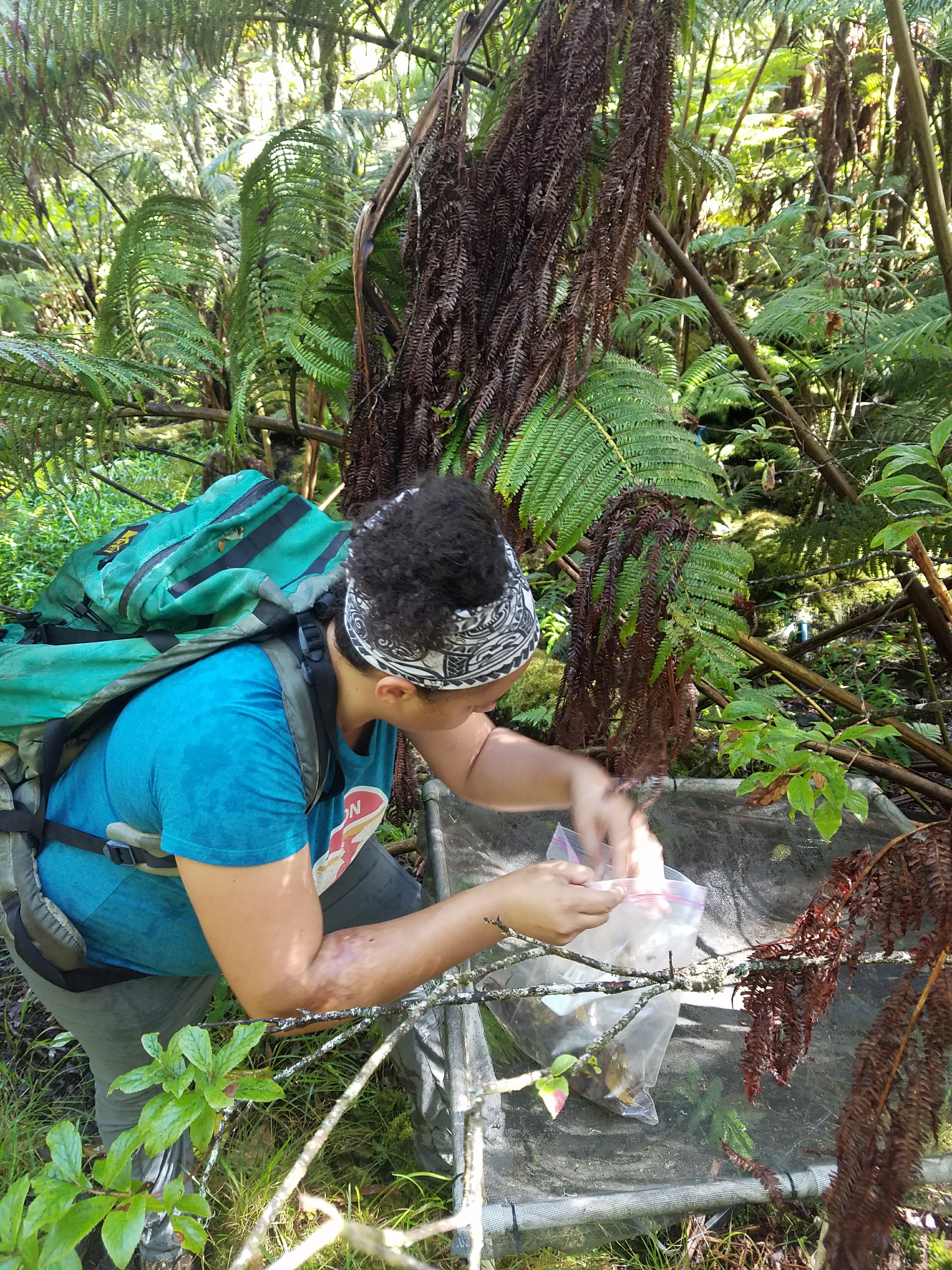
Tropical forests have year-round growing seasons and are commonly thought of as evergreen. But they are highly diverse and leaves are replaced at different rates for different species. Thus, tropical forest canopies can be highly dynamic representing complex structural and functional diversity.
With funding from NSF we are integrating ground-based measures of leaf phenology with UAV hyperspectral, thermal, and lidar observations at two contrasting sites on the Island of Hawaiʻi – Lāupahoehoe and Pālamanui – to better understand species- and site-specific canopy dynamics and how those dynamics influence ecosystem functions such as productivity and thermoregulation.
Funding: National Science Foundation (#2026264) Geography and Spatial Sciences
Why this work matters
Researching Ecological Change, Guiding Conservation, Supporting people and Our Planet
Ecosystems are changing rapidly under the pressures of climate change and biodiversity loss. By combining field research with cutting-edge remote sensing, we generate knowledge that supports conservation, sustainable management, and a healthier planet.
 The Pau Lab